Strategic Home Renovations Secure Your Independence and Protect Financial Equity
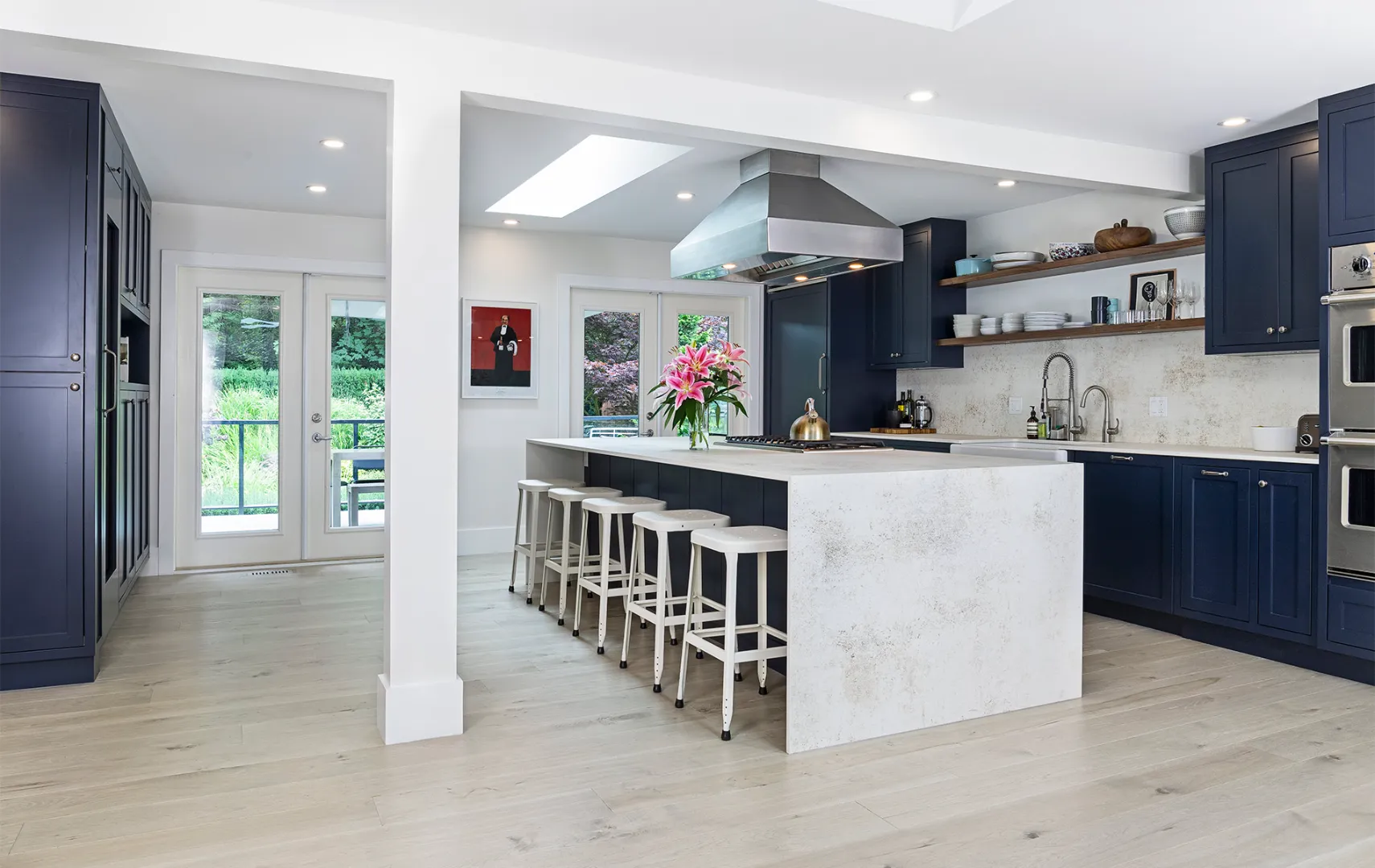
Right now, your home operates on a design logic from twenty or thirty years ago. The layout that once worked perfectly for a growing family now presents subtle, daily points of friction. Perhaps it is the laundry room located in the basement, the high step-over into the master bathtub, or the dim lighting in the hallways. Today, these are minor inconveniences you manage with subconscious workarounds. However, without strategic intervention, tomorrow looks exactly like today, only the effort required to navigate these spaces will incrementally increase.
Staying in your current pattern requires a specific kind of management. You are effectively maintaining a "temporary" living situation in your "forever" home. By delaying necessary updates, you are paying an invisible tax on your comfort and autonomy. The gap between the home you have and the home you need for the next twenty years remains static, while the physical demands of daily maintenance continue to evolve. This isn't about impending crisis; it is about the opportunity cost of living in a space that doesn't actively support your lifestyle.
The Economics of Staying Put vs. Acting Now
There is a measurable financial reality to delaying home modifications. Many homeowners hesitate, viewing renovation as a disruption or a discretionary expense. However, when viewed against the alternative options for aging, renovation is often the most fiscally conservative choice. The current national median cost for a private room in an assisted living facility is approximately $64,200 annually. This is a recurring expense that yields zero equity.
In contrast, adapting your home is a capital improvement that stays with you. Consider the transaction costs of downsizing: real estate commissions (typically 5-6%), closing costs, and moving fees often total $30,000 to $50,000 on an average suburban home. By staying still and doing nothing, you aren't saving that money; you are simply deferring a decision between a costly move later or a frantic, reactive renovation down the line. Acting now converts that potential "lost capital" into tangible assets—wider doorways, smart lighting, and accessible bathrooms—that you begin enjoying immediately.
Schedule a consultation to see how your home can evolve with you.
Renovations approaches your home not just as a construction site, but as a problem-solving challenge. Our methodology moves beyond aesthetic updates to focus on "functional engineering" for longevity. We analyze your floor plan to identify specific barriers to long-term mobility and comfort. This process transforms your environment from a passive structure into an active support system. By integrating universal design principles now, you build a safety net that is invisible to the eye but essential to your daily routine.
When you transition from a standard layout to a specialized "aging-in-place" design, the metrics of your daily life shift dramatically:
- Bathing Accessibility: 18-inch step-over tub barrier → 0-inch curbless entry shower (100% barrier reduction)
- Kitchen Functionality: Static base cabinets → Full-extension pull-out organizers (Reduces bending/kneeling strain by ~75%)
- Lighting Safety: Standard switch placement → Motion-sensor smart pathways (Improves visibility response time from 3 seconds to instant)
- Financial Efficiency: 1 Year of Assisted Living ($64,200 avg) → Comprehensive Home Safety Remodel (ROI achieved in <12 months relative to care costs)
Building for the Future, Today
The difference between a home that accommodates you and one that challenges you is often a matter of proactive planning. Industry data indicates that homeowners who implement universal design modifications before a mobility crisis occurs report a 60% higher satisfaction rate with their living situation compared to those who renovate reactively. For example, a typical suburban couple utilizing proactive modification strategies can extend their tenure in their existing home by an average of 10-15 years. This isn't just about avoiding a move; it's about gaining a decade or more of memories in the neighborhood you love, supported by a house that no longer fights against you.
Every month you wait to start this process is a month where your home’s equity is locked in a configuration that doesn't serve your future. By initiating the design and construction phase now, you ensure that your home is ready when you need it, rather than scrambling for contractors during a time of need. The time value of comfort is real; installing a curbless shower or a ramp today means you have hundreds of days of easier, safer access this year alone.
Taking the first step is about reclaiming control over your environment. It is a move toward certainty, ensuring that your home remains a sanctuary rather than a source of stress. You have already built a life in this house; now is the time to build the infrastructure that allows that life to continue uninterrupted.
Start your home’s transformation and secure your future comfort.